

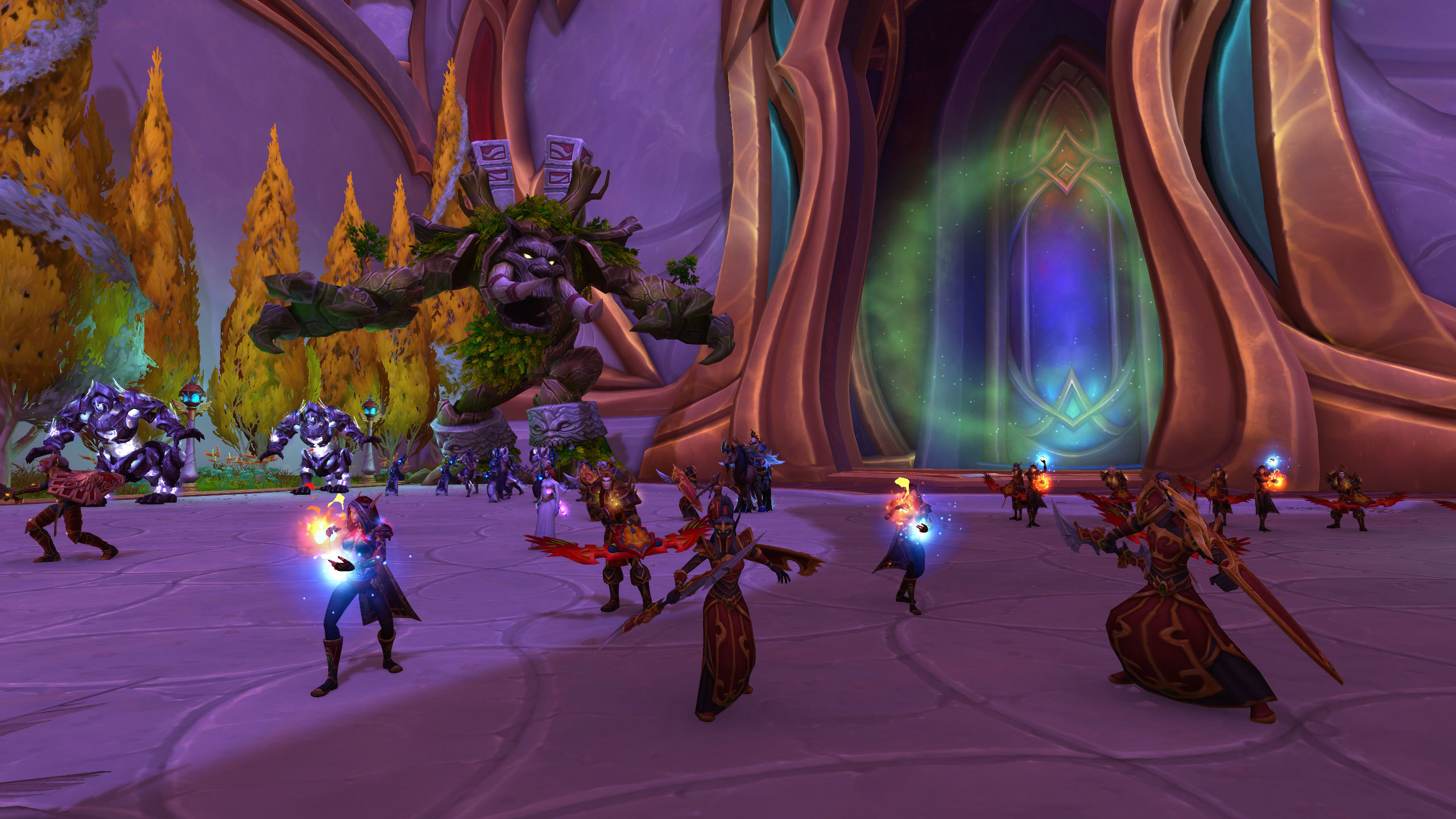
The elven reunification storyline in World of Warcraft: Midnight culminates in a landmark faction event that brings Void Elves, Blood Elves, and High Elves together as a unified elven people for the first time in thousands of years of Warcraft history. This reunification, achieved through the shared struggle against the Void invasion of Quel’Thalas and the climactic events of the Voidspire raid’s first patch storyline, represents one of the most significant political and narrative developments in World of Warcraft’s modern era. This lore analysis examines the events that led to elven reunification, the ideological compromises each elven faction made to achieve it, and the lasting implications for Blood Elf faction alignment, Void Elf identity, and the broader geopolitical landscape of Azeroth.
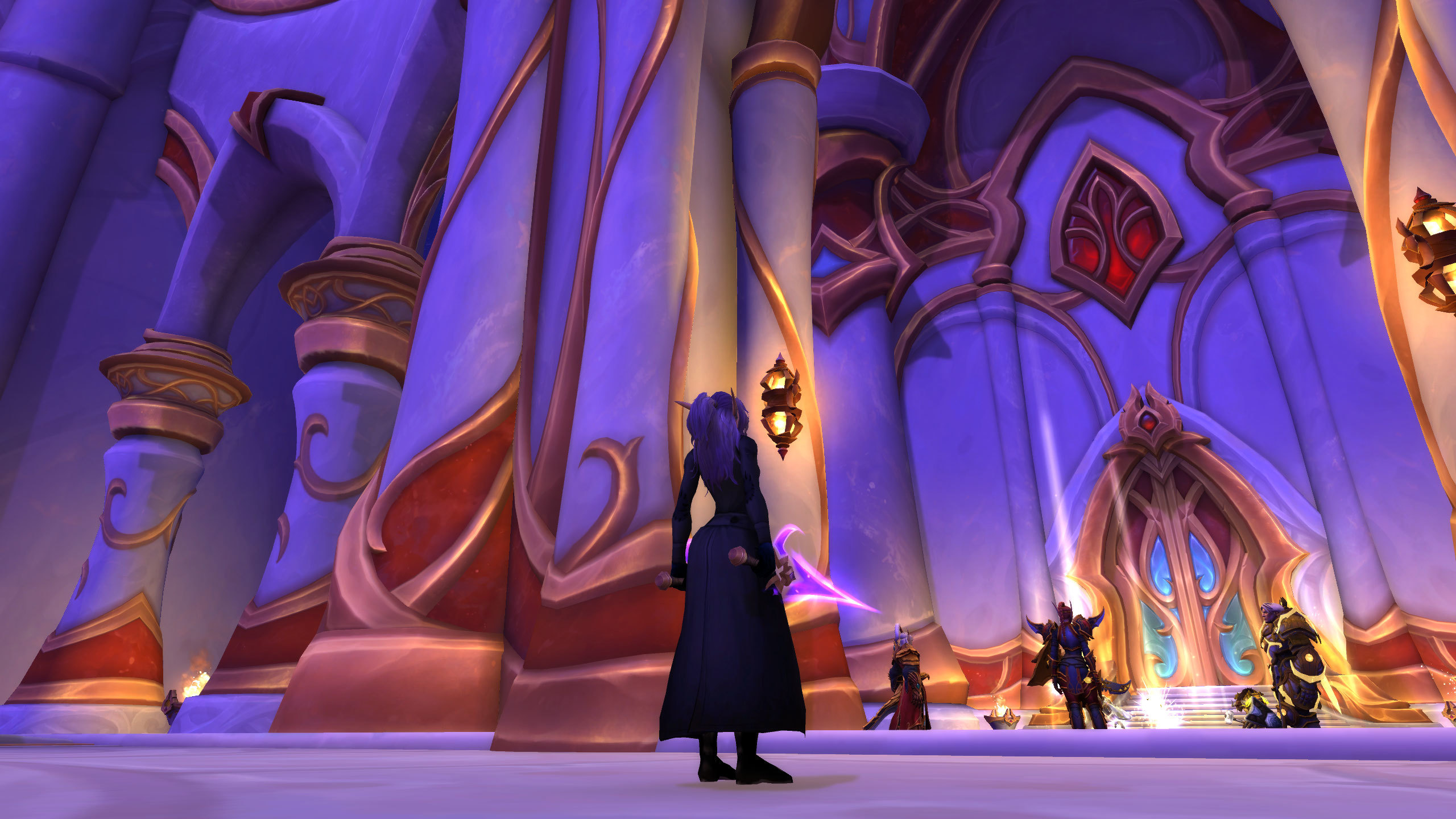
Historical Divisions Among the Elven Peoples
To appreciate the significance of the elven reunification event in Midnight, it is necessary to understand the deep historical divisions that have separated the elven peoples of Azeroth for millennia. The elven civilization originated as a single people — the Kaldorei, or Night Elves — but a catastrophic schism during the War of the Ancients, when the Highborne elves recklessly used arcane magic and caused the Great Sundering that shattered the ancient world, created the first and most enduring division between Night Elves and the Highborne exiles who would eventually become the High Elves of Quel’Thalas.
The High Elves of Quel’Thalas maintained a unified civilization for thousands of years until the Scourge invasion led by Arthas devastated their kingdom, destroyed the Sunwell, and killed approximately ninety percent of their population. The surviving High Elves, now calling themselves Blood Elves in honor of their fallen brethren, faced an arcane addiction crisis that drove Prince Kael’thas Sunstrider to make increasingly desperate alliances — including with the Burning Legion — that ultimately led to another schism within the Blood Elf community. Some Blood Elves, led by Lady Liadrin and the Blood Knights, repented of their exploitation of the naaru M’uru and embraced the restored Sunwell’s Light energy, while others, transformed by Alleria Windrunner’s Void teachings, became Void Elves who wielded shadow power as their primary magical discipline.
- Night Elves vs. High Elves: The original schism from the War of the Ancients, based on arcane magic usage and the Great Sundering catastrophe
- High Elves vs. Blood Elves: The renaming after the Scourge invasion, with some High Elves retaining their original identity while others embraced the Blood Elf designation
- Blood Elves vs. Void Elves: The most recent schism, based on whether Void energy is a legitimate power source or an inherently corrupting force
- High Elves vs. Blood Elves (political): High Elves who remained allied with the Alliance while Blood Elves joined the Horde, creating a faction divide that complicated elven reunification for decades
By the time of Midnight, the elven peoples of Azeroth were divided into at least four distinct factions (Night Elves, High Elves, Blood Elves, Void Elves) with different ideological alignments, faction loyalties (Alliance vs. Horde), and magical power sources. The reunification of these factions into a single elven people is not merely a diplomatic formality but a profound ideological transformation that requires each faction to reconsider its fundamental identity and its relationship with the other elven peoples. The Midnight storyline handles this transformation with a nuance and emotional depth that honors the historical weight of these divisions.
The Voidspire Raid Storyline and Elven Unification
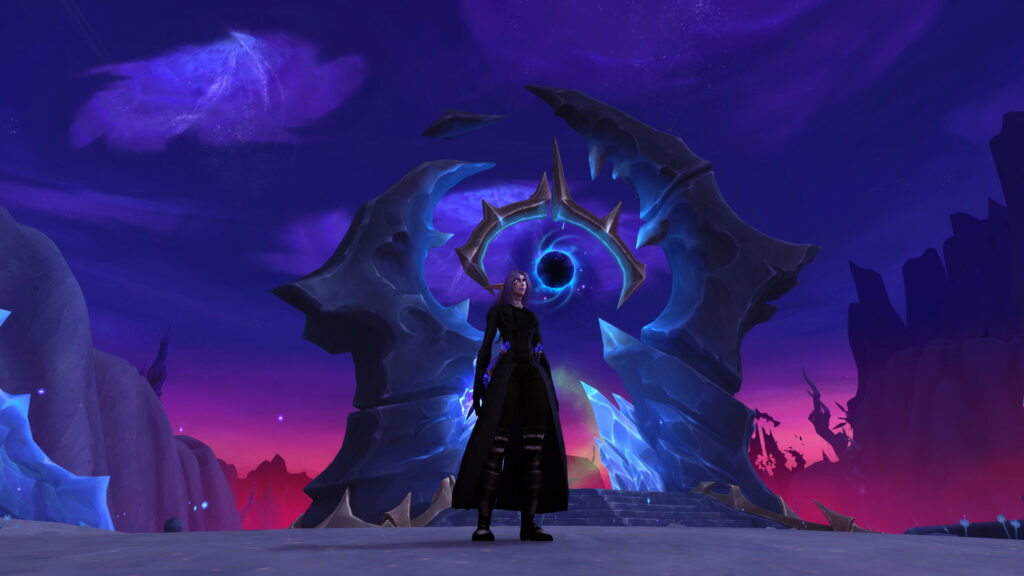
The elven reunification is achieved through the Voidspire raid’s storyline events, specifically during the first patch of the raid tier when the combined elven forces launch an assault on the Voidspire — a massive Void-corrupted fortress that serves as Dimensius the All-Devouring’s primary beachhead in Quel’Thalas. The raid brings together Blood Elf, Void Elf, and High Elf defenders who must set aside their ideological differences and fight side by side against the common Void threat, and through this shared combat experience, they develop the mutual trust and respect that makes formal reunification possible.
The climactic moment of the Voidspire raid storyline occurs after the defeat of the raid’s first major boss encounters, when the elven leaders — Lady Liadrin for the Blood Elves, Alleria Windrunner for the Void Elves, and a High Elf representative from the Kirin Tor-elven community — gather at the site of the Voidspire’s central Void rift and perform a joint ritual that combines Light, Void, and Arcane energy to seal the rift and push the Void invasion forces back from Quel’Thalas’s gates. This ritual is narratively symbolic: it demonstrates that only through the combined power of all three elven magical traditions can the Void threat be effectively opposed, and it serves as the practical proof that Void energy, when wielded responsibly alongside Light and Arcane power, is a legitimate and necessary component of the elven defensive strategy.
According to player reports from the Voidspire raid storyline, the elven leaders formally declare the reunification of the elven peoples after the ritual’s success, greeting “the new dawn as one people” and pledging that the divisions that have separated them for millennia will no longer define their civilization’s future. This declaration is not accompanied by a formal faction realignment — Blood Elves remain in the Horde, and High Elves and Void Elves remain in the Alliance — but it establishes a framework for elven cooperation that transcends faction boundaries and acknowledges that the elven peoples share a common identity, history, and destiny that is more fundamental than their current political affiliations.
| Faction | Pre-Reunification Position | Post-Reunification Position |
|---|---|---|
| Blood Elves | Void energy is corrupting; Light is the only safe power | Void energy can be wielded responsibly; synthesis with Light and Arcane is necessary |
| Void Elves | Void energy is a tool that should be used against the Void invasion | Void energy must be wielded with caution and discipline alongside Light and Arcane allies |
| High Elves | Arcane magic is the traditional elven power source; both Light and Void are concerning | Arcane remains the foundation, but Light and Void are accepted as complementary defensive tools |
Community Reception and Controversy
The elven reunification storyline has generated substantial community discussion and debate, with players divided on whether the narrative resolution adequately addresses the historical divisions between the elven factions or whether it glosses over genuine ideological conflicts in favor of a feel-good unity moment. The most common criticism of the reunification storyline is that Blood Elves, who have been firmly entrenched in the Horde since The Burning Crusade, are not given a meaningful faction realignment opportunity as part of the reunification, meaning that the “one people” declaration is largely symbolic rather than mechanically impactful in terms of gameplay and faction identity.
Some players have argued that the Blood Elves’ continued Horde alignment after the reunification is narratively inconsistent, because if the elven peoples are truly unified as “one people,” the Blood Elves should logically rejoin the Alliance alongside the High Elves and Void Elves, restoring the ancient elven-Human alliance that existed during the Troll Wars. However, this criticism overlooks the political reality that the Horde and Alliance conflict remains the central geopolitical framework of World of Warcraft, and moving the Blood Elves from the Horde to the Alliance would have enormous gameplay implications for faction balance, racial representation, and the identity of both factions that Blizzard is understandably reluctant to undertake for a single expansion’s storyline.
The more defensible interpretation of the elven reunification is that it establishes an ideological and cultural unity among the elven peoples that exists alongside and independent of their faction political alignments. Blood Elves can remain in the Horde while recognizing Void Elves and High Elves as their cultural kin and allies, just as High Elves and Void Elves can remain in the Alliance while acknowledging that Blood Elves are their brothers and sisters despite the Horde affiliation. This framework allows Blizzard to achieve the narrative satisfaction of elven reunification without disrupting the faction balance that underpins World of Warcraft’s core gameplay structure, and it is a creatively elegant solution to a problem that could easily have been handled much more clumsily.
Lasting Implications for Azeroth’s Future
The elven reunification in Midnight has lasting implications for the broader Warcraft universe that extend well beyond Quel’Thalas and the elven peoples themselves. The most significant implication is the precedent it sets for other divided civilizations on Azeroth: if the elven peoples — who have been separated by ideological, magical, and faction divisions for millennia — can find a path to reunification through shared struggle and mutual recognition of their common identity, then other divided peoples (such as the various troll tribes, the orcish clans, and even the Night Elf factions that split during recent expansions) may also be able to overcome their divisions and reunite when faced with existential threats that demand unified action.
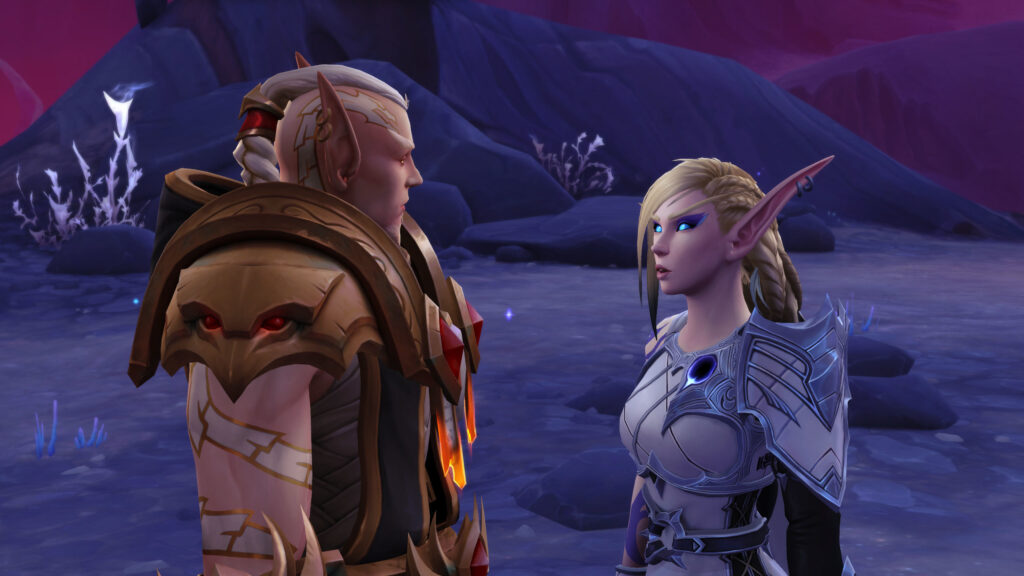
For the Last Titan expansion that will conclude the Worldsoul Saga, the elven reunification provides a foundation for Azeroth-wide cooperation against whatever cosmic threat emerges from the world-soul’s awakening. The elven peoples, now united in purpose if not in faction, can serve as a model for the broader inter-faction cooperation that the Last Titan storyline will likely require, and the ideological synthesis of Light, Void, and Arcane power that the elven reunification achieved may prove essential to defeating a cosmic enemy that no single power source can oppose alone.
The elven reunification event in World of Warcraft: Midnight is one of the most narratively satisfying moments in the expansion because it brings a storyline that has been developing since The Burning Crusade — the question of whether the elven peoples can overcome their divisions and reunite as a single civilization — to a resolution that honors the complexity of those divisions while ultimately affirming the elven peoples’ shared identity and common destiny. For players who have followed the elven storyline through Blood Elf starting zones, Void Elf recruitment campaigns, and the broader Quel’Thalas narrative arc across multiple expansions, the moment when Lady Liadrin, Alleria Windrunner, and the High Elf representative join hands to seal the Voidspire rift is an emotionally resonant climax that validates decades of elven storytelling in the Warcraft universe.
Leave a Reply