

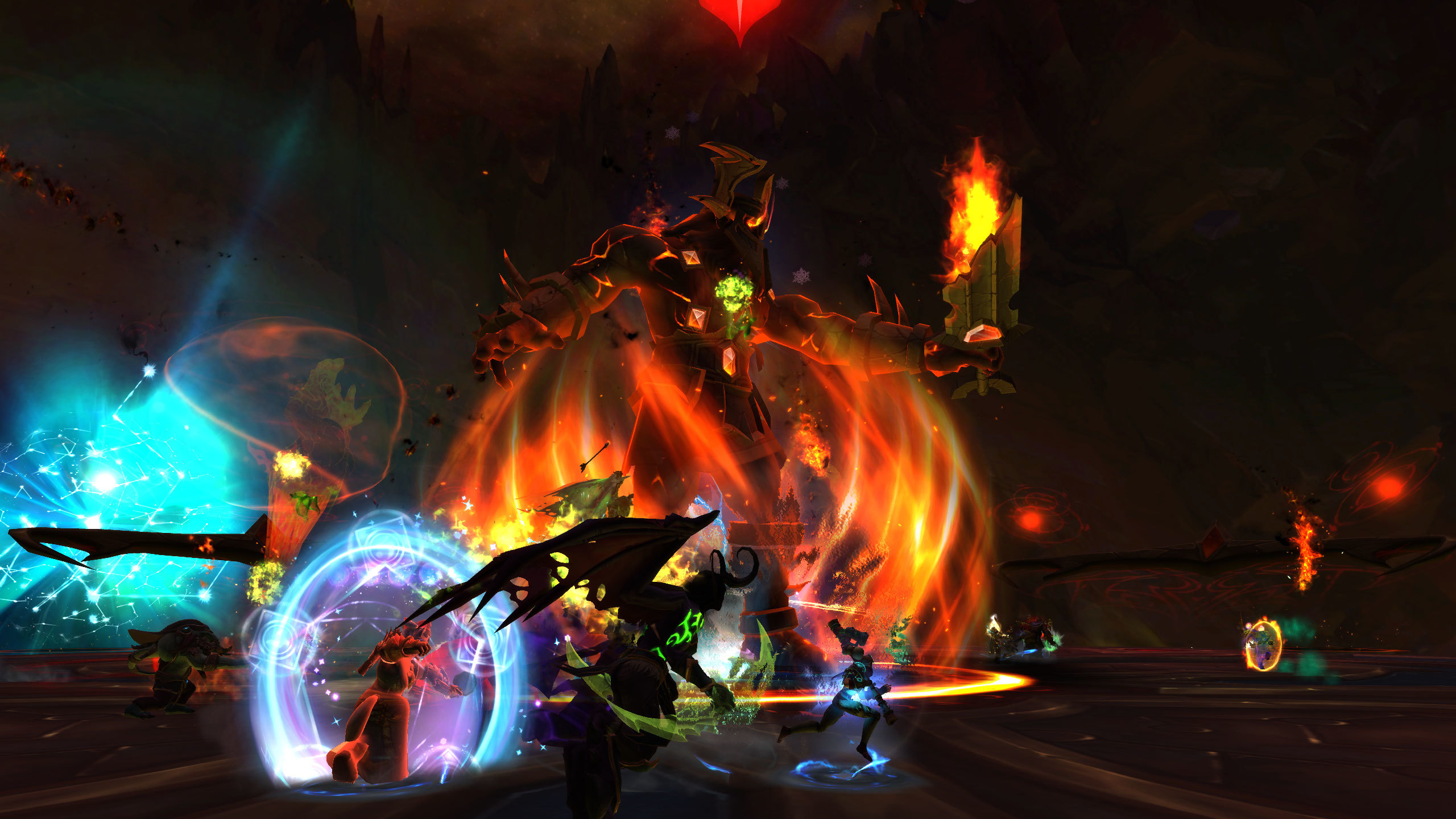
Healers are no longer defined solely by keeping health bars full. In modern group content, healers actively shape tempo, cooldown flow, and recovery pacing. Their decisions influence how aggressively groups can play and how safely they recover from mistakes.

Healing Defines Group Tempo
Confident healing allows tanks to chain pulls and damage dealers to commit offensively. When healers signal readiness, groups move faster. When healing resources are strained, pacing naturally slows.
Cooldown Control Enables Risk Management
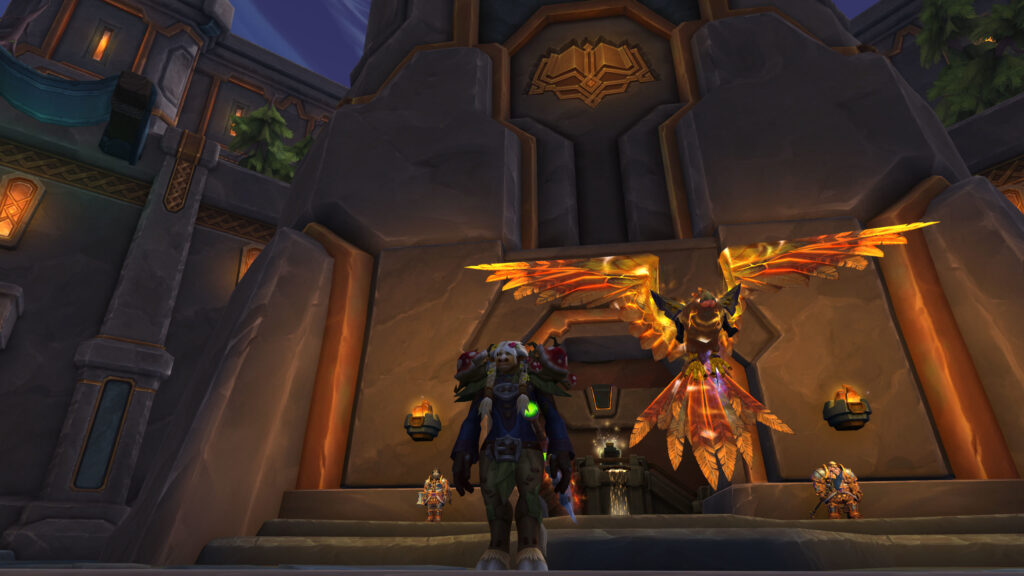
Healers manage more than throughput cooldowns. External defensives, damage reduction tools, and recovery abilities are used strategically to stabilize dangerous moments and allow planned aggression.
Recovery Speed Shapes Momentum
After mistakes, healer response determines whether a run stabilizes or spirals. Fast triage, efficient cooldown usage, and clear communication preserve momentum and prevent cascading failures.
| Healer Contribution | Direct Effect | Group Outcome |
|---|---|---|
| Tempo signaling | Pull confidence | Smoother pacing |
| Defensive cooldowns | Damage smoothing | Safer aggression |
| Rapid triage | Recovery speed | Momentum retention |
| Resource awareness | Cooldown alignment | Reduced downtime |
Healers Act as Strategic Anchors
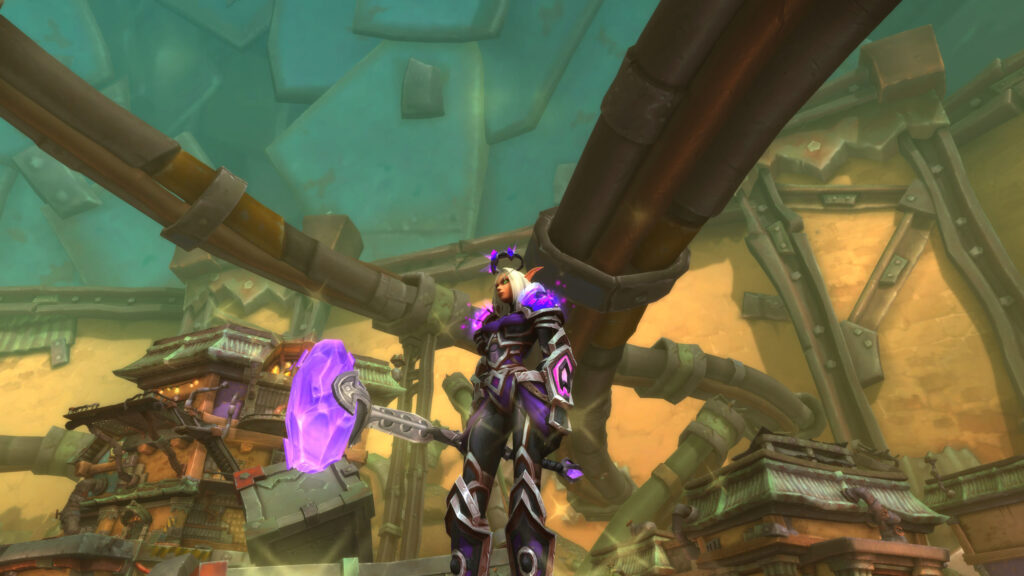
Experienced healers guide group behavior implicitly. Their positioning, cooldown choices, and movement patterns communicate safety levels without words.
Conclusion
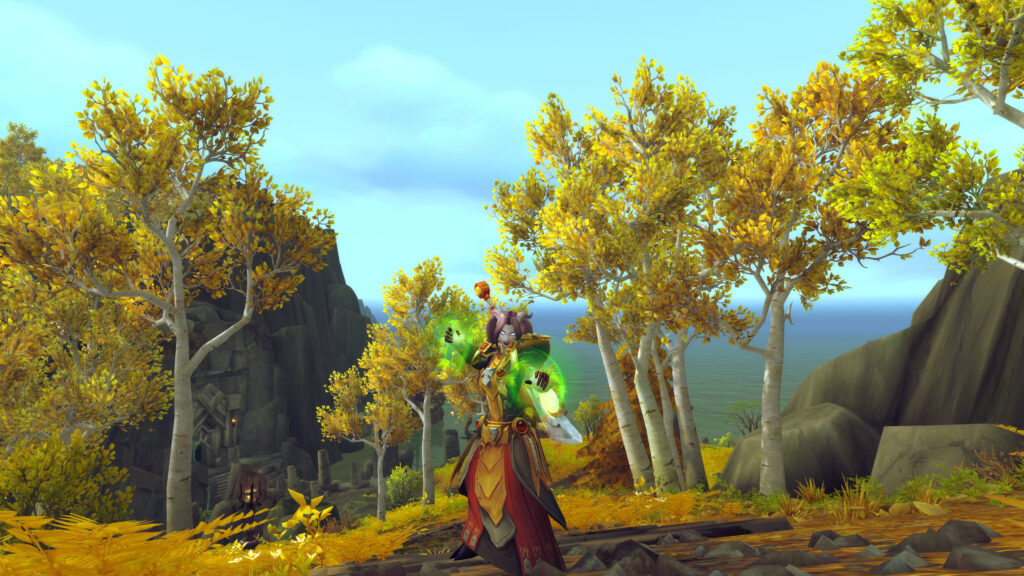
Healer impact now extends far beyond health bars into tempo and cooldown control. By shaping pacing, stabilizing mistakes, and enabling aggression, healers become strategic anchors of successful group play.
Leave a Reply